
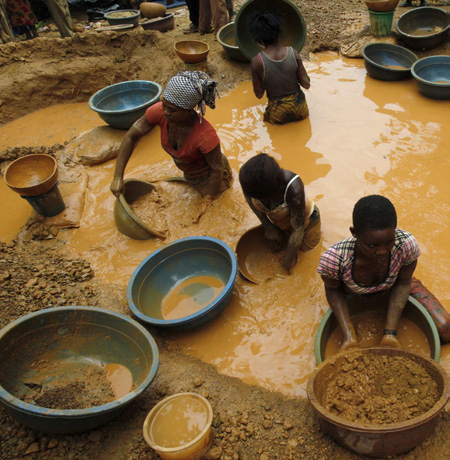

Mercury, is a unique metal that exists in liquid form at room temperature. It is the only metal which can flow as a liquid at ambient temperature conditions. Its use in small scale mining operations is on the rise. However, there are associated risks to human health and the environment. These risks include effects on the nervous systems of young children.
Historically, mercury has been proven to be toxic since the days of the Minamata Disaster in Minamata, Japan in the year 1956. The disaster was characterised by the Minamata disease consisting of damage to nervous systems, muscle weakness, loss of vision, paralysis and effects on foetuses in gestation.
Fast-forward to Zimbabwe’s small scale mining sector, there is a casual use of mercury amongst miners, insecure transportation and disposal in water bodies. Mercury kills if it is not properly handled. It is highly likely that some miners are being exposed to highly toxic levels of mercury in mining communities. Awareness is necessary and provision of Personal Protective Equipment (PPE) should be a pre-requisite.
Not only should society be worried about mercury in mining sector, but also in dental fillings when they are burnt during cremation of human bodies. Some selected skin lightening creams, pulp and paper industry and coal fired plants are considered as sources of mercury emissions. Stakeholders in such sectors should increase their level of monitoring to detect any traces of mercury in their processes, activities and products.
Global attention on mercury has resulted in the promulgation of the Minamata Convention which was signed in 2013 and became effective in the year 2017. It aims to protect human health and the environment from the anthropogenic releases of mercury and mercury products.