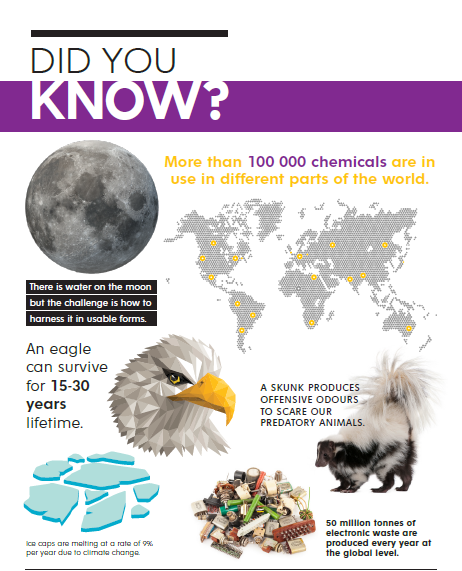



Chemical usage continues to rise globally. The utility of chemicals is well documented, but mitigation measures are lagging behind. Many chemical accidents have occurred. As a result, stakeholders are implored to manage their chemical usage, storage and disposal. Chemical accident prevention is a priority in the 21st century.
Chemicals have different properties such as flammable, corrosive, irritant, explosive, toxic to human health and the environment as well as carcinogenic. At farms, industries and nuclear plants there is a big risk of hazardous substances exposure.
It is necessary to eliminate the chemical hazards where possible and ensure that awareness is raised on the dangers of chemicals, their acute and chronic effects. In addition, Material Safety Data Sheets (MSDS) should be made available to chemical users for continual reference.
Chemicals can have long lasting effects on human health and the environment and as well cause birth defects. The majority of workers are not fully aware of the dangers of the chemicals they use.
An emerging threat is the use of mercury by small scale miners involved in gold processing. There is need for increased awareness on how to manage mercury in that sector. Construction companies use a lot of chemicals including those that are volatile (Volatile Organic Chemicals – VOCs). Respiratory problems as well as accumulation of chemicals around the fatty tissue of vital organs of the body remains a key challenge affecting the world.
The other headache related to chemicals is the issue of dealing with obsolete and expired chemicals. Instead of building stockpiles, organisations should develop strategies of handling expired chemicals which will still exhibit some residual toxicity. Training, awareness and sensitisation are required in order to eliminate fatalities related to chemical usage. In order for countries to develop sustainably, chemicals management should be a priority.