

Everyone celebrates the receipt of a brand new vehicle and more recently taking ownership a good used vehicle into one’s fleet. Cars are very useful during their operational life cycle as a means to transport both people and goods. At the end of their operational use, there is very little knowledge about how to manage end-of0life vehicle waste.
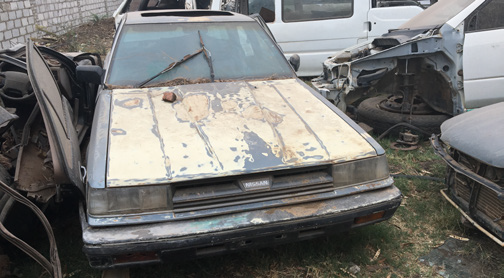
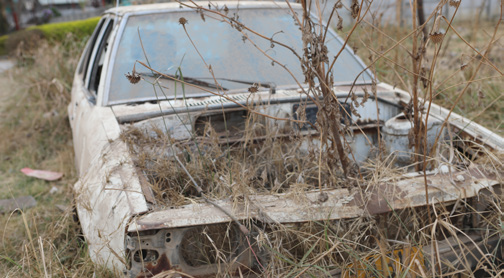
Very little progress has been made in the area of end-of vehicle life cycle. The sight of wretched and abandoned car bodies in residential and industrial areas is becoming a common site. From an economic perspective, it is very difficult for many individuals to envisage that a vehicle can reach a stage where it is totally without value. Many waste products are generated when a vehicle passes its useful life cycle. Some of this material includes metal waste from the car bodies, rubber, hazardous lubricants, leather, fabric and glass.
Used car bodies are normally left as empty shells after car breakers salvage some vehicle parts which can be retrofitted on other car bodies. Vehicle workshops, distributors, garages and automotive companies have yet to devise new strategies to deal with end of life vehicles. Once seen as a developed country problem, it is slowly growing in developing countries. Countries should develop policies and legislation to deal with end of life vehicle including recycling opportunities.