

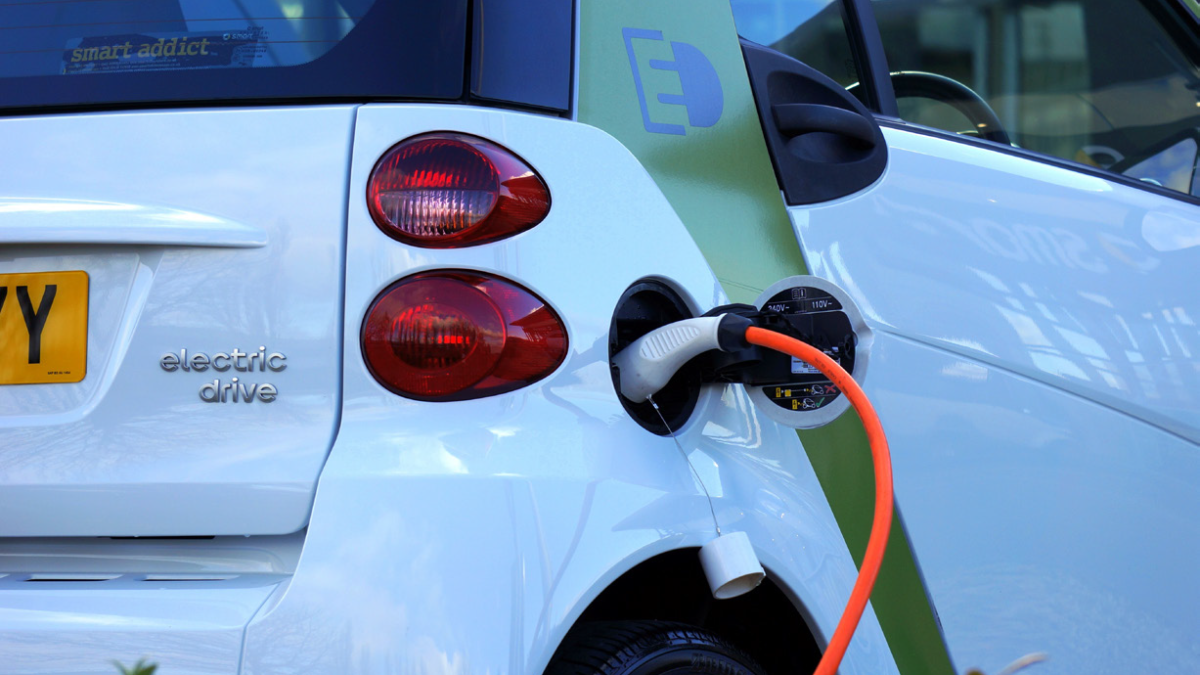

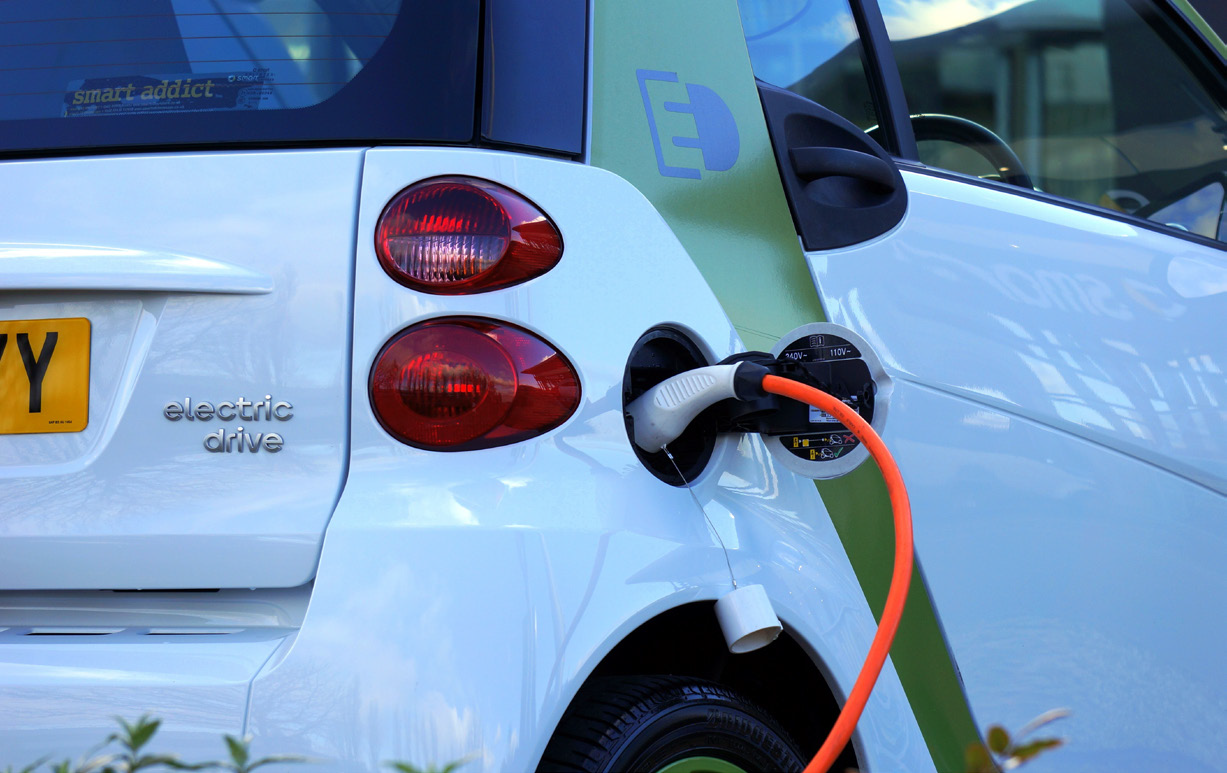
Mobility is key for socio-economic development of both developed and developing countries. It is widely recognised and documented that the transport sector is a key contributor to Greenhouse gas emissions due to the reliance on fossil fuels. Electric Vehicles (EV) offer an opportunity for reducing emissions attributable to the transport sector. Leading vehicle manufacturer Volvo has made strides to develop innovative transport products such as electric buses. Tesla has made strides towards developing electric cars. With the significant developments in battery and power storage technologies such as lithium batteries, the potential for electrical mobility is soaring high. Although early success has been made in developed countries, the key question is whether developing countries are ready for this transition.
There is a perception that EVs are expensive, but prices are becoming more affordable to people of all walks of life. The promotion of Electric vehicles in different parts of the world will enable local socio-economic development whilst at the same time protecting the environment.
According to the International Energy Agency (IEA) the population of electric cars will increase from 3 million to 125 million. It is expected that these will be distributed in different parts of the world including Africa. It is necessary for Africa to capture the opportunity and enable a low-carbon development pathway. In order to transition to electric mobility, Africa would need to develop infrastructure that will allow electrical mobility. Although this will take time, there is a need to harness climate finance as a mechanism for financing the technology transfer.
ELECTRICAL MOBILITY GAINS GROUND – IS AFRICA READY?