
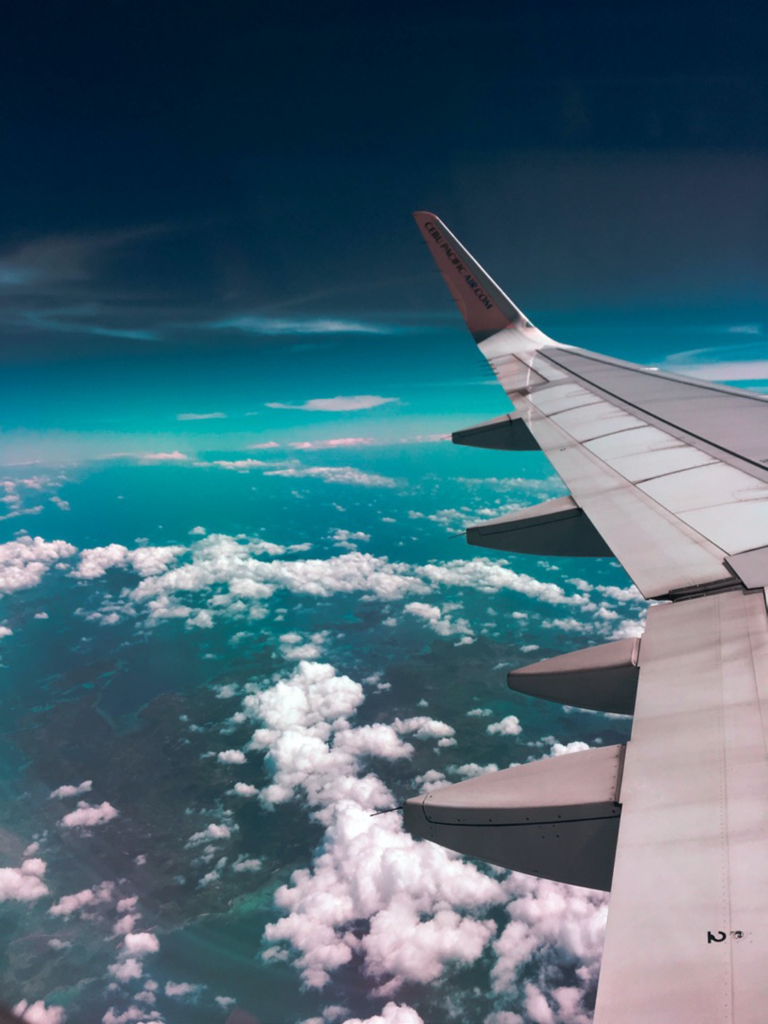
Bon Voyage! Many people are celebrating that they are able to get into the skies again after the COVID-19 pandemic has eased in the last few months. There are serious concerns however related to the emissions caused by the aviation sector due to the flight of aircraft from one destination to the other. Building more efficient aircraft which is fuel efficient is also being actioned as a way of minimising environmental impact of this sector.
In addition, the generation of waste by airline passengers is also an issue of concern. Paper, plastic and food waste are endemic in the aviation sector. Novel approaches are being developed to cater for recyclable packaging, but more still needs to be done in order to avert an environmental crisis.
As we build back better in the post-Covid-19 era, there is need to devise new ways of ensuring that aircraft journeys are more sustainable. Servicing and maintaining aircraft offers low hanging fruits which may facilitate success.
On the grounds and airports, waste management is also essential as airports handle millions of customers on an annual basis. Segregation, recycling and signage provide clear building blocks of a sustainable aviation sector.
A value chain approach is essential to also include travel agents, tour operators, as well as other key players in the aviation sector. Covid-19 was a crisis, and yet it also reduced emissions from flights. Therefore, we must use the recovery phase as a chance to reduce emissions permanently. Individuals must also offset their emissions from flying through afforestation and carbon neutrality.
Business Executives must also be involved through cutting on unnecessary business travel and optimising business trips. Globetrotting everyday will not save the planet.