
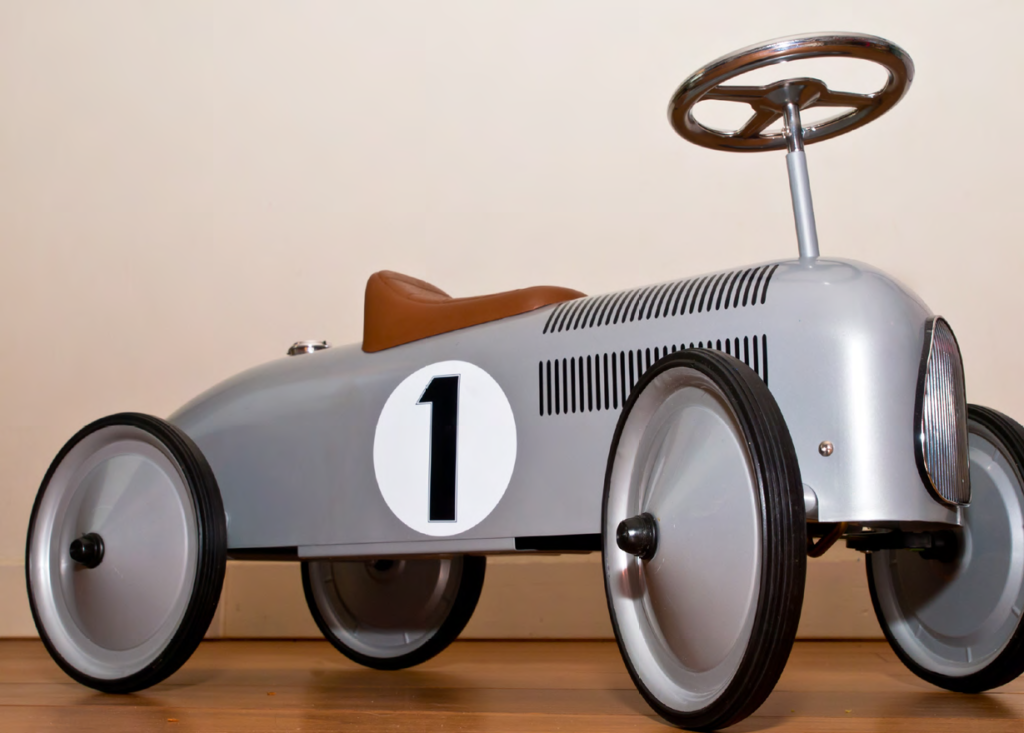
The 21st Century has brought a hustle and bustle in our lives. Parents and guardians are in the rat race to make ends meet. In order to entertain kids, toys are seen as a way of making kids play and refresh with these imitations of reality. The global toy industry is booming with each day. Children’s toys include baby dolls, dummy cars, toy buses and any other object which may mimic reality. However, some toys are manufactured using materials which may contain hazardous chemicals. Not all toys contain hazardous chemicals, but it is high time that society becomes vigilant in identifying and dealing with hazardous chemicals in toys. According to UN Environment about 25% of children’s toys contain hazardous chemicals. Children are very vulnerable due to their quick metabolic rates.
Phthalates, plasticisers and brominated flame retardants have been found in selected toys. These are mainly used to ensure flexibility, durability and longevity of plastics. According to UN Environment and Peter Fantke from DTU Denmark, over 419 chemicals are present in some plastic toys whilst 126 can potentially cause harm to children.
In developed regions such as the Europe there are now labelling schemes which require labelling of toys in order to ensure that customers are aware before making purchasing decisions.
Ventilation of children’s rooms is necessary in order to prevent greater toxicological effects and high level inhalation of the aforementioned chemicals. Parents are recommended to take greater caution in buying toys, as what could be considered as love could be a silent killer. Be warned and do your research on safe toys. The Green Business Gazette cannot name individual chemicals and toys where they are found, but at least, it paves way by informing parents of the silent epidemic.